
Regulating the Unknown
The regulation of plastics is one of the most important fields of European environmental and circular economy policy.

The regulation of plastics is one of the most important fields of European environmental and circular economy policy.
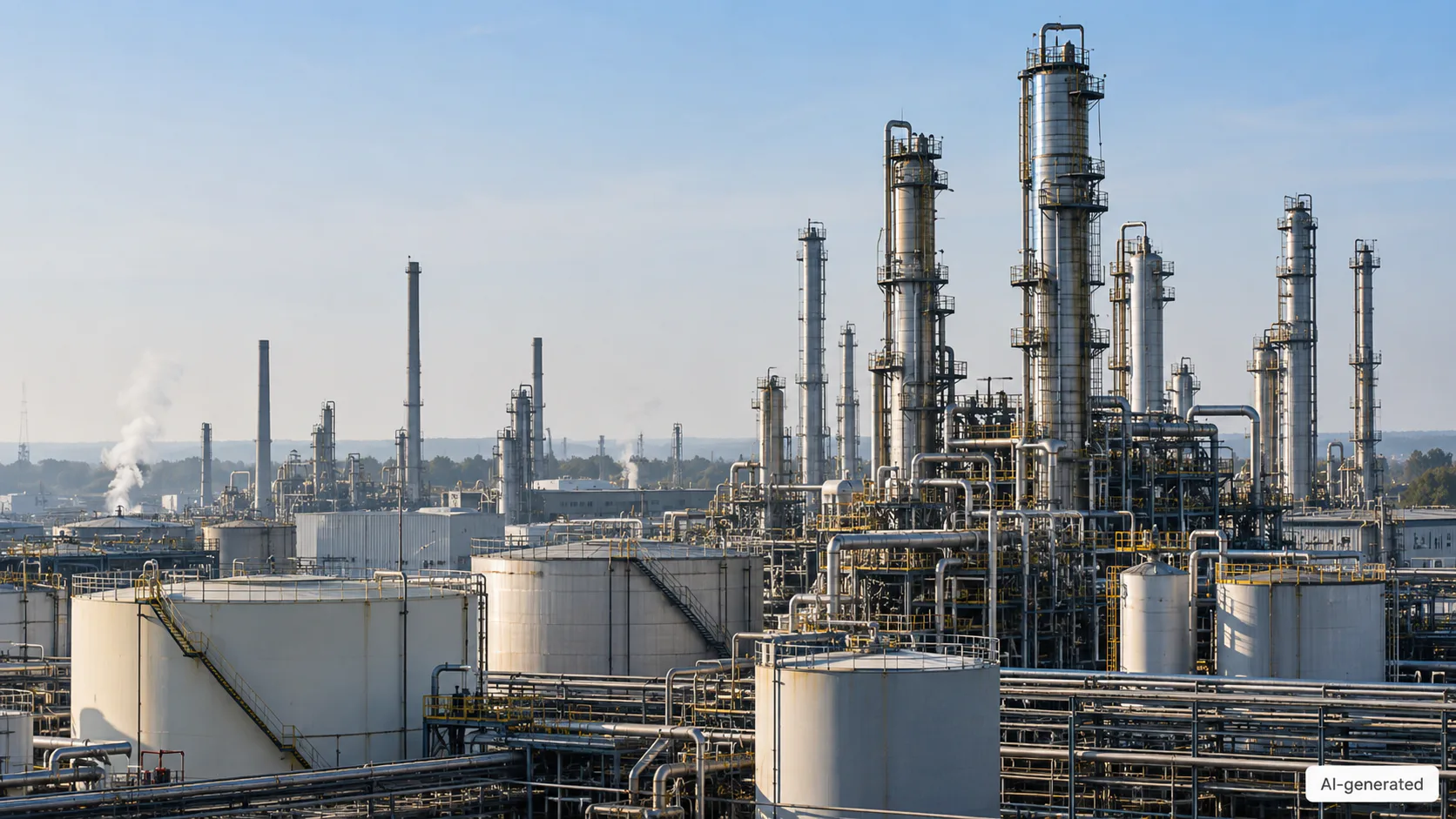
The EEB has left the Critical Chemicals Alliance over concerns about its methodology, governance and proposed treatment of regulated chemicals.

Hosokawa Alpine has developed a process for processing textile waste. A Rotoplex cutting mill breaks down the pre-shredded textiles into fibres; a separator then separates the reusable fibres from the contaminated residues.

BASF has expanded its Ultradur portfolio to include glass-fibre-reinforced PBT/PET compounds containing up to 30 per cent post-consumer recycled (PCR) material. The new RC1 grades are designed for structural automotive components and are intended to help manufacturers meet recycled content targets without compromising on technical performance.

While the decarbonization efforts of the European steel industry are faltering, new production capacities are emerging in other regions of the world that are explicitly designed for export to Europe.

Toray has developed a solvent-based process to recover polyphenylene sulfide from waste while retaining the material in polymer form.

EU food waste reached 57.9 million tonnes in 2024. Households accounted for more than half of the total.

Vianode and FAAM have recycled graphite from battery production scrap into anode material and plan to scale the process for industrial use.

As in the rest of Europe, the plastics recycling sector in the UK is struggling with the economic situation.

Stadler has opened a new test center in Altshausen for material trials, machine development and customer testing under operating conditions.